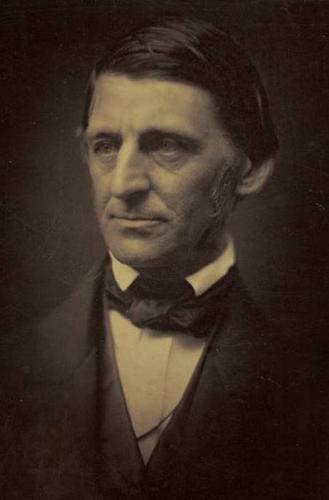
Ralph Waldo Emerson
Born 25 May 1803 · Died 27 April 1882
Ralph Waldo Emerson was an American philosopher, essayist, and poet, best remembered for leading the Transcendentalist movement of the mid-19th century. His teachings directly influenced the growing New Thought movement of the mid-1800s. He was seen as a champion of individualism and a prescient critic of the countervailing pressures of society.
Emerson gradually moved away from the religious and social beliefs of his contemporaries, formulating and expressing the philosophy of Transcendentalism in his 1836 essay, Nature. As a result of this ground-breaking work he gave a speech entitled The American Scholar in 1837, which Oliver Wendell Holmes, Sr. considered to be America's "Intellectual Declaration of Independence". Considered one of the great orators of the time, Emerson's enthusiasm and respect for his audience enraptured crowds. His support for abolitionism late in life created controversy, and at times he was subject to abuse from crowds while speaking on the topic. When asked to sum up his work, he said his central doctrine was "the infinitude of the private man."
([Source][1])
Books by Ralph Waldo Emerson
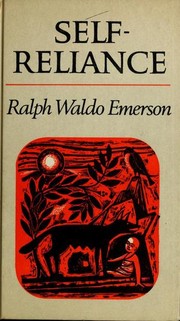 Self-reliance1900
 Essays1800
 The United States in Literature [with three long stories] -- Seventh Edition1952
 Prentice Hall Literature--Timeless Voices, Timeless Themes--The American Experience1999
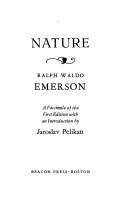 Nature1836
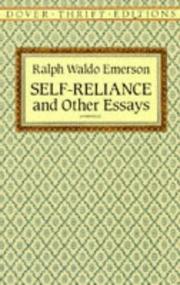 Self Reliance and Other Essays1993
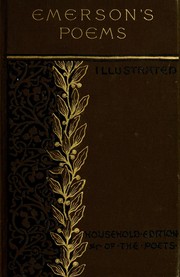 Poems1847
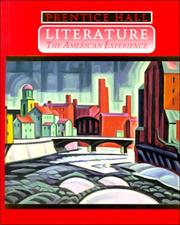 Prentice Hall Literature--The American Experience1989
 The United States in Literature -- The Glass Menagerie Edition1973
 Nature and selected essays2003
 The conduct of life1860
 The works of Ralph Waldo Emerson1876
 The United States in Literature -- All My Sons Edition1973
 Representative men1800
 English traits1856
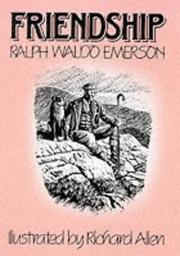 Friendship1800
 Words of Ages2000
 The Essential Writings of Ralph Waldo Emerson2000
 The Oxford Book of American Essays1914
 Emerson1910
 Essays, first series1876
 The complete works of Ralph Waldo Emerson1873
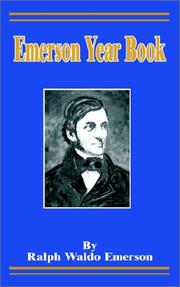 Emerson year book1893
 Compensation1900