
Thomas Mann
Nació 6 June 1875 · Murió 12 August 1955
Thomas Mann was a German novelist, short story writer, social critic, philanthropist, essayist, and 1929 Nobel Prize laureate, known for his series of highly symbolic and ironic epic novels and novellas, noted for their insight into the psychology of the artist and the intellectual. His analysis and critique of the European and German soul used modernized German and Biblical stories, as well as the ideas of Goethe, Nietzsche, and Schopenhauer.
His older brother was the radical writer Heinrich Mann, and three of his six children, Erika Mann, Klaus Mann and Golo Mann, also became important German writers.
When Hitler came to power in 1933, the anti-fascist Mann fled to Switzerland. When World War II broke out in 1939, he emigrated to the United States, from where he returned to Switzerland in 1952. Thomas Mann is one of the most known exponents of the so called Exilliteratur. ([Source][1])
Libros de Thomas Mann
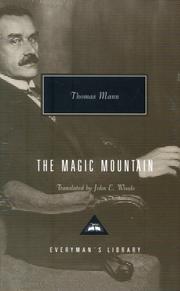 Der Zauberberg1924
 Doctor Faustus1947
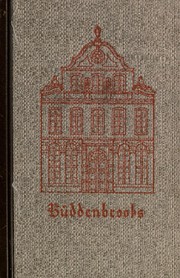 Buddenbrooks1909
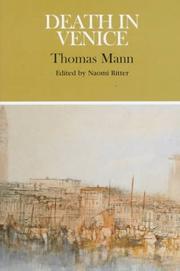 Tod in Venedig1925
 Prentice Hall Literature--World Masterpieces1991
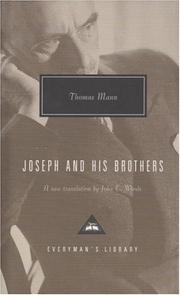 Joseph und seine Brüder1934
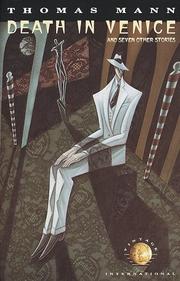 Death in Venice1954
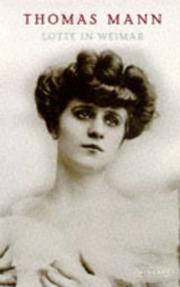 Lotte in Weimar1939
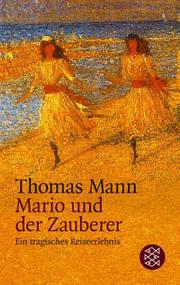 Mario und der Zauberer1930
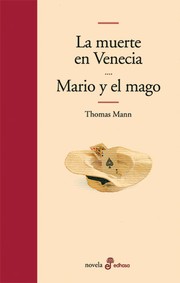 La muerte en Venecia1973
 Understanding fiction -- Second Edition1959
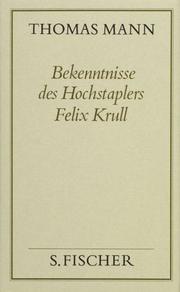 Bekenntnisse des Hochstaplers Felix Krull1924
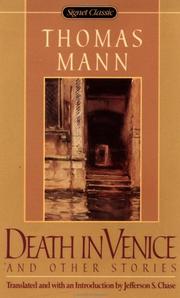 Death in Venice and other stories1983
 Der Tod in Venedig1913
 Tonio Kröger1921
 Prentice Hall Literature--Timeless Voices, Timeless Themes--World Literature2001
 Erwählte1951
 Königliche Hoheit1909
 Betrogene1954
 A Montanha Mágica2016
- Little HerrFriedemann, and other storiesLittle HerrFriedemann, and other stories1972
 Herr und Hund1923
 Joseph in Egypt1936
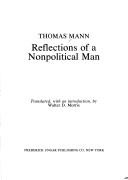 Betrachtungen eines Unpolitischen1919